
State Telehealth Regulations for Virtual Suboxone Appointments and MAT Refills: Navigating the Legal Landscape for Remote Treatment
Embark on a journey through the complex web of State Telehealth Regulations for Virtual Suboxone Appointments and MAT Refills. Discover how these laws shape access to crucial treatment services and the challenges they pose for both healthcare providers and patients.
Telehealth regulations vary from state to state, impacting the accessibility of virtual Suboxone appointments and MAT refills for patients seeking treatment.

Telehealth offers numerous advantages for Suboxone appointments and MAT refills, making the process more convenient and accessible for patients. By utilizing telehealth services, individuals can benefit in various ways:
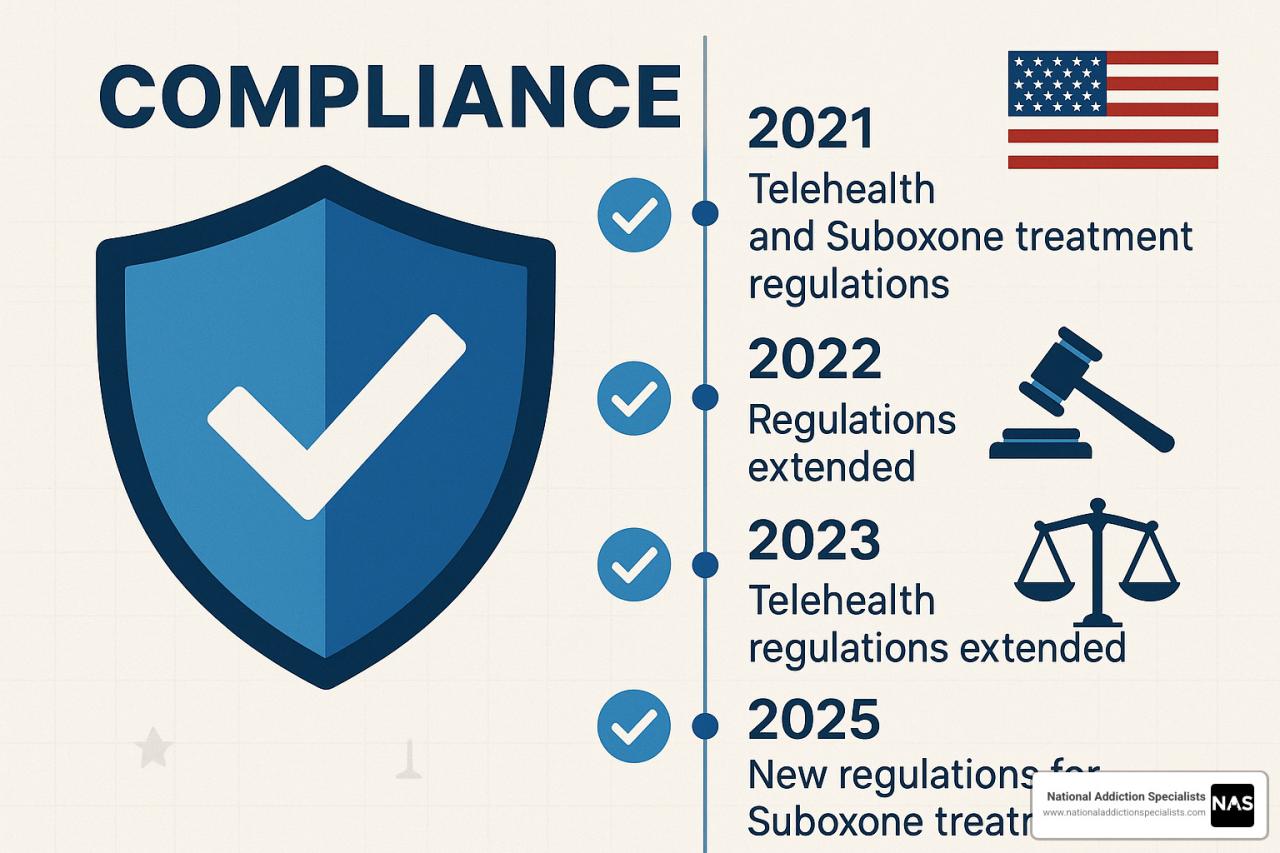
Implementing telehealth for Suboxone treatment comes with its own set of challenges that healthcare providers and patients need to navigate. From technological limitations to patient concerns, there are obstacles that must be addressed for successful virtual Suboxone appointments and MAT refills.
Virtual Suboxone appointments require specific guidelines and protocols to ensure successful treatment outcomes. Healthcare providers conducting these appointments must adhere to best practices to maintain security, confidentiality, and patient satisfaction.
What are the common restrictions for virtual Suboxone appointments in different states?
Restrictions may include limitations on prescribing controlled substances via telehealth or requirements for an initial in-person visit.
How does telehealth improve access to Suboxone treatment in remote areas?
Telehealth eliminates the need for patients to travel long distances to access Suboxone treatment, making it more convenient and accessible.
What are some best practices for ensuring the security of virtual Suboxone appointments?
Best practices include using secure platforms, implementing encryption, and ensuring patient confidentiality through secure communication channels.