
Building Regulations Part B: UK Cladding Fire Safety Compliance Guide – A Comprehensive Overview
Delving into the realm of Building Regulations Part B: UK Cladding Fire Safety Compliance Guide, we uncover a detailed exploration that promises to shed light on crucial aspects of fire safety compliance in the UK. From understanding the purpose of these regulations to delving into the significance of adhering to them, this guide aims to provide a comprehensive look at ensuring safety in construction projects.
As we navigate through the different sections, a clearer picture emerges of the complexities involved in maintaining fire safety standards, offering valuable insights for both professionals and enthusiasts in the field.
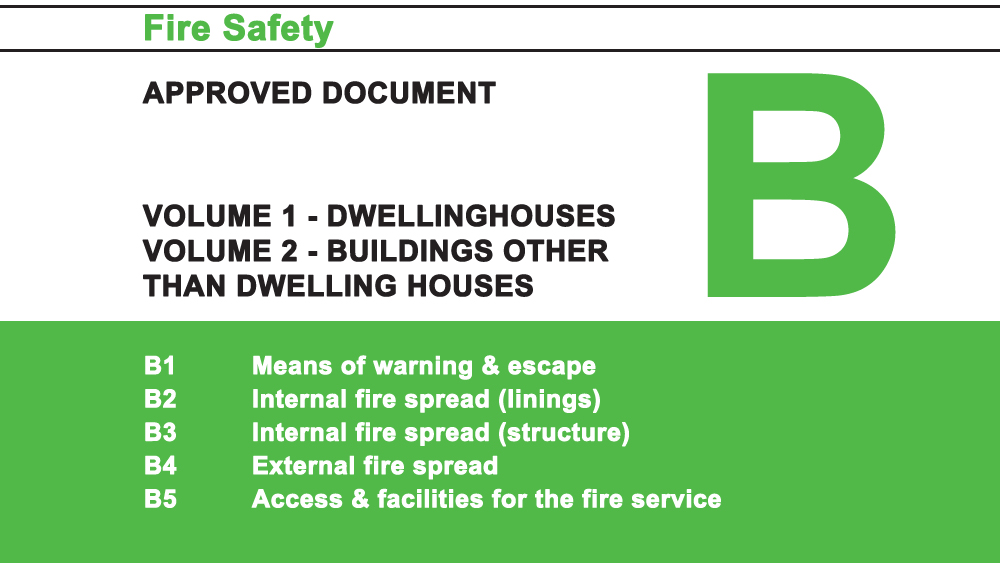
Building Regulations Part B in the UK focuses on fire safety in buildings to ensure the protection of occupants and property in case of a fire. Compliance with these regulations is crucial to minimize the risk of fire and ensure buildings are safe for habitation.
The main purpose of Building Regulations Part B is to establish requirements for the design, construction, and materials used in buildings to prevent the spread of fire and ensure a safe means of escape for occupants in case of a fire emergency.
Complying with the UK Cladding Fire Safety Compliance Guide is essential to mitigate the risk of fire incidents in buildings, especially high-rise structures where the spread of fire can be rapid and devastating. Non-compliance can lead to serious consequences, including loss of life, damage to property, and legal liabilities for building owners and developers.
When it comes to cladding materials used in the UK, various options are available, each with its own set of fire safety considerations. Understanding these materials and their compliance with regulations is crucial for ensuring the safety of buildings and their occupants.
Compliance with building regulations varies based on the cladding material used. For combustible materials like ACM and HPL, stricter regulations are in place to mitigate fire risks. This may involve additional fire barriers, sprinkler systems, or the removal of combustible cladding.

When it comes to cladding materials for construction projects, testing and certification play a crucial role in ensuring fire safety compliance.
Proper installation of cladding systems plays a crucial role in ensuring fire safety compliance. Following recommended installation practices is essential to minimize the risk of fire incidents and maintain the integrity of the building envelope.
Proper installation of cladding systems helps to prevent fire spread and maintain the structural integrity of the building. By following the recommended practices, the risk of fire incidents can be significantly reduced, ensuring the safety of occupants and protecting the property.
Maintaining and inspecting cladding systems is crucial for ensuring fire safety compliance and long-term safety of buildings.
Regular maintenance of cladding systems is essential to prevent any potential fire hazards. This includes:
Inspections of cladding systems should be conducted regularly to identify any issues early on. The frequency of inspections may vary depending on the type of cladding material used and the building’s location. However, it is recommended to inspect cladding systems at least annually to ensure they are in good condition.
Regular maintenance not only helps in identifying and addressing potential fire hazards but also contributes to the long-term safety and durability of the cladding system. By conducting routine inspections and maintenance, building owners can prevent major issues from arising and ensure the overall safety of the building.
What are the consequences of not complying with Building Regulations Part B?
Failure to comply can result in legal penalties, delays in construction projects, and most importantly, compromised safety standards. It’s crucial to adhere to these regulations to avoid potential risks and liabilities.
Are there any specific regulations for high-rise buildings in the UK regarding cladding fire safety?
Yes, there are additional regulations and guidelines that apply to high-rise structures to ensure enhanced fire safety measures due to the increased risks associated with tall buildings.
How can I ensure that the cladding materials used in my project are compliant with the regulations?
It’s essential to source materials from reputable suppliers who provide certified products that meet the necessary fire safety standards. Conducting thorough research and verification can help in ensuring compliance.