
EWS1 Form Explained: Cladding Safety Assessment Costs & Home Sales
EWS1 Form Explained: Cladding Safety Assessment Costs & Home Sales sets the stage for this enthralling narrative, offering readers a glimpse into a story that is rich in detail with a casual formal language style and brimming with originality from the outset.
As we delve deeper into the complexities of EWS1 forms, cladding safety assessments, associated costs, and their impact on home sales, a clearer picture emerges of the intricate processes involved in ensuring building safety standards.
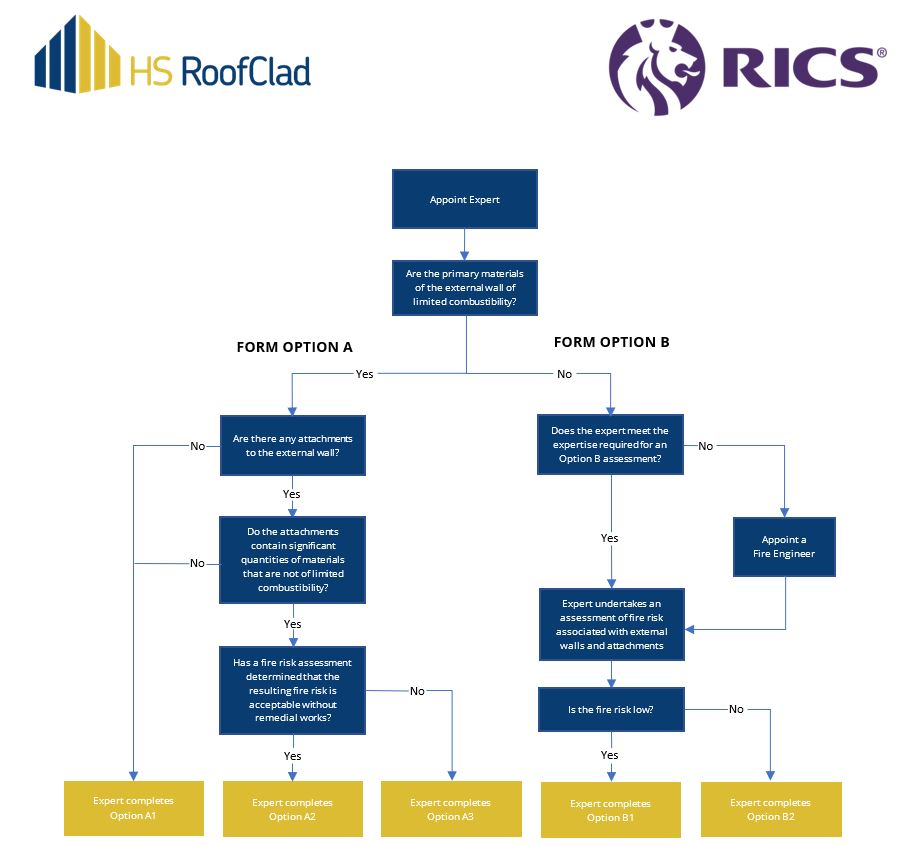
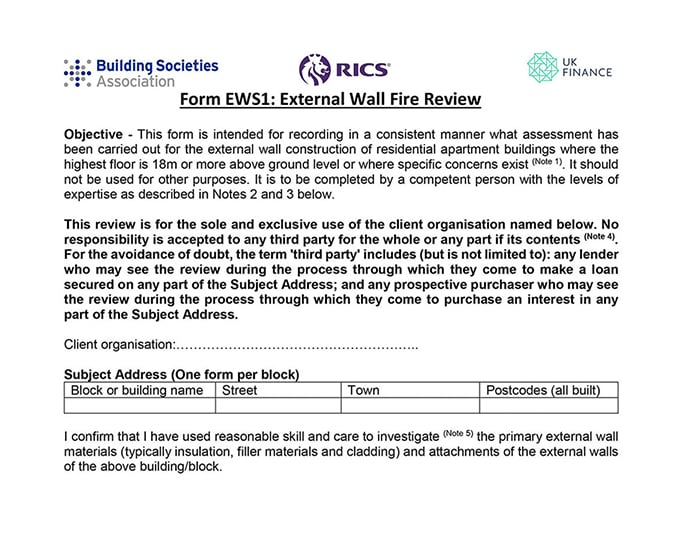
The EWS1 form, External Wall Fire Review, is a document used to assess the safety of the external cladding of buildings. It is designed to identify potential fire risks associated with external wall systems and is crucial in determining the safety of a building.
The EWS1 form plays a vital role in ensuring the safety of buildings, particularly in the wake of the Grenfell Tower tragedy. It helps to identify any fire safety risks posed by the external cladding systems used in a building, allowing for appropriate measures to be taken to mitigate these risks.
When it comes to conducting a cladding safety assessment, there are specific steps that need to be followed to ensure a thorough evaluation of the building’s cladding system.
Identifying unsafe cladding through the assessment is crucial for the safety of the building and its occupants. Unsafe cladding can increase the risk of fire spreading rapidly throughout the building, endangering lives and causing extensive damage.
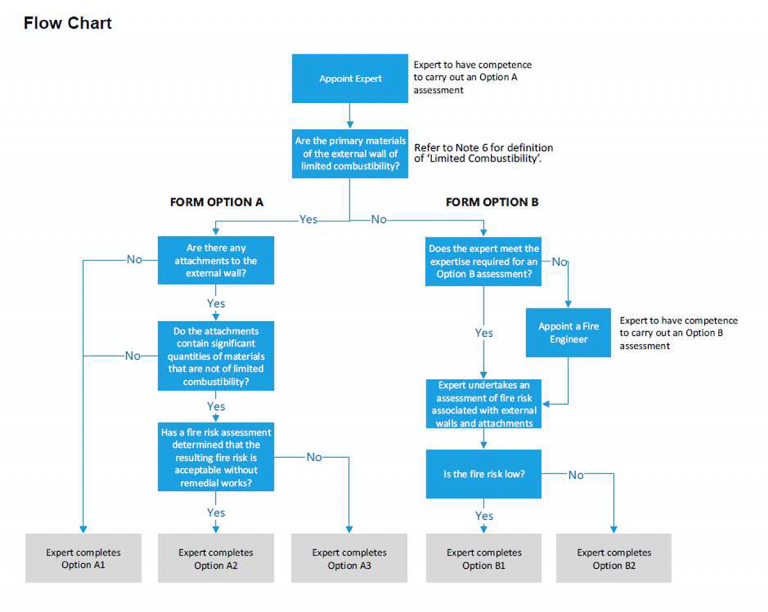
Obtaining an EWS1 form involves various costs that homeowners need to consider. These costs can include assessment fees, remediation expenses, and potential additional costs associated with addressing cladding safety issues.
The responsibility for covering the costs of the EWS1 form assessment typically falls on the property owner. However, in some cases, developers or building owners may be liable for these expenses, especially if the cladding issues are a result of poor construction or negligence.
When it comes to selling a property with cladding safety concerns and the need for an EWS1 form, there are several factors that can significantly impact the sale.
The presence of unsafe cladding can have a direct impact on the property value, as potential buyers may be hesitant to invest in a property that requires additional safety assessments or remediation work. This can lead to a decrease in the marketability of the property, as the pool of interested buyers may shrink due to the perceived risks associated with the cladding issues.
Furthermore, the cost of obtaining an EWS1 form and potentially having to address any identified safety concerns can add an additional financial burden to the homeowner. This can further complicate the sale process, as buyers may be unwilling to take on these additional costs or uncertainties.
For homeowners navigating the sale of a property with cladding safety concerns, it is essential to be transparent about the situation and provide any relevant documentation, such as the EWS1 form, to potential buyers. Working with experienced real estate agents who are knowledgeable about these issues can also help in effectively communicating the steps being taken to address the cladding concerns and ensuring a smooth sale process.
Who is responsible for covering the costs of obtaining an EWS1 form?
Typically, the responsibility for covering the costs of obtaining an EWS1 form falls on the building owner or the entity requesting the assessment.
What are the additional costs that may arise from addressing cladding safety issues?
Additional costs may include remediation expenses to replace unsafe cladding materials, legal fees, and potential decreases in property value during the process.
How does the presence of an EWS1 form impact the sale of a property?
The presence of an EWS1 form can significantly affect the sale of a property by providing transparency on the cladding safety status, influencing buyer confidence and potentially impacting property value and marketability.
In what situations is an EWS1 form required?
An EWS1 form is typically required in situations where buildings have external cladding systems and there are concerns about their safety following incidents like the Grenfell Tower fire.