
Composite vs. Timber Cladding Cost UK: 10-Year Total Maintenance ROI
Starting off with Composite vs. Timber Cladding Cost UK: 10-Year Total Maintenance ROI, this introduction aims to provide a compelling overview of the comparison between composite and timber cladding costs in the UK.
The subsequent paragraph will delve into the specific factors influencing the cost disparity and highlight popular brands in the UK market.
When it comes to cladding options in the UK, two popular choices are composite and timber. Understanding the cost comparison between these two materials is essential for making an informed decision for your property.Composite cladding typically has a higher initial cost compared to timber.
The price of composite cladding can vary depending on the brand, quality, and design. On the other hand, timber cladding is generally more affordable upfront but may require more maintenance over time, which can add to the long-term cost.
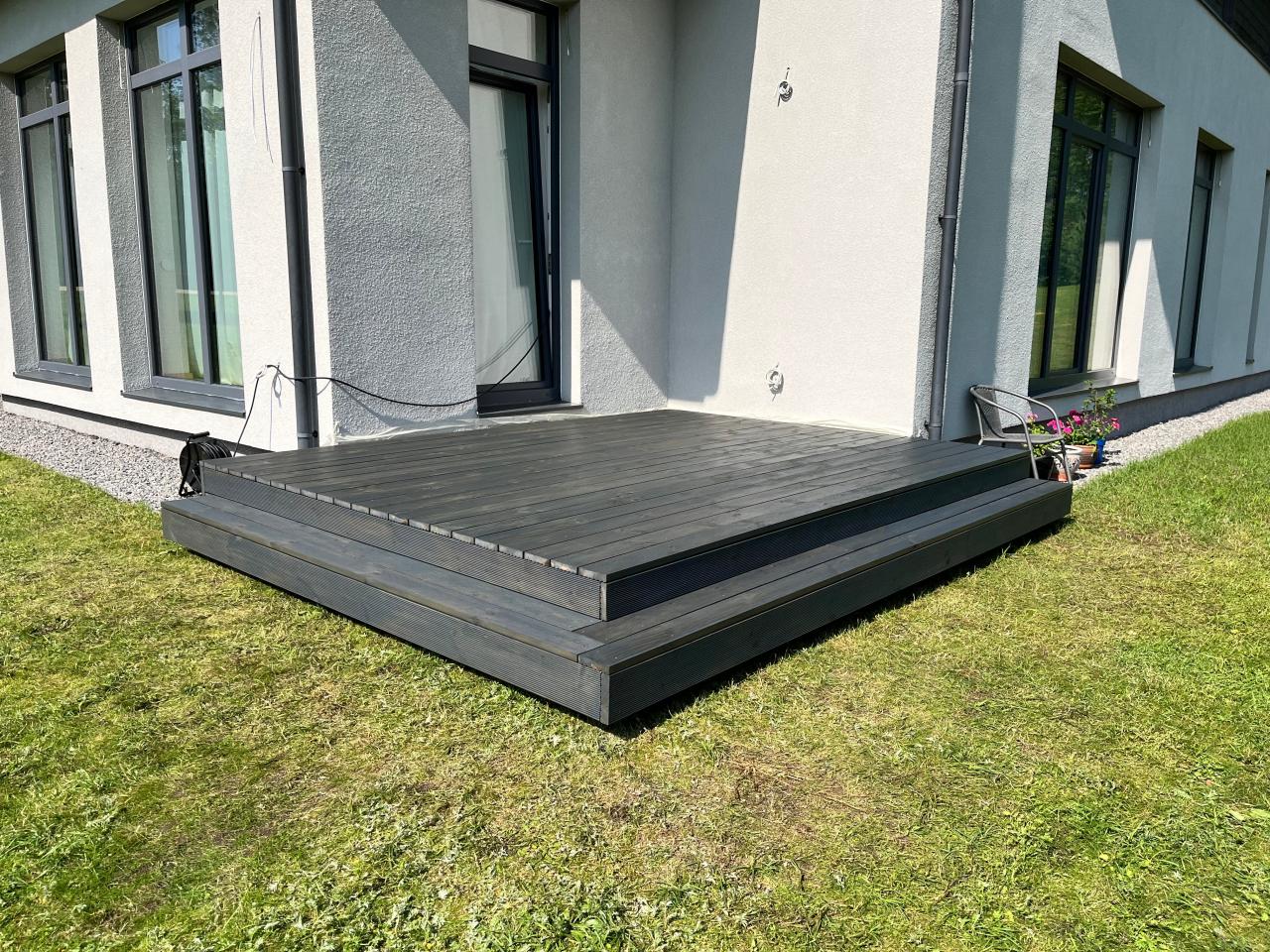
When considering cladding options for a building, it’s essential to factor in the long-term maintenance costs to determine the overall investment required. In this section, we will delve into the typical maintenance requirements for composite and timber cladding over a 10-year period and compare the associated costs in the UK.Composite cladding is known for its low maintenance requirements, making it an attractive option for many property owners.
Over a 10-year period, the maintenance tasks for composite cladding typically include annual cleaning with soapy water to remove dirt and grime. Additionally, periodic inspections to check for any damage or wear and tear may be necessary. Overall, the maintenance costs for composite cladding over a decade are relatively minimal compared to other materials.On the other hand, timber cladding requires more extensive maintenance to ensure its longevity and aesthetic appeal.
Over a 10-year period, maintenance tasks for timber cladding may include regular staining or painting to protect the wood from moisture and UV damage. Additionally, inspections for rot, insect infestations, and warping are crucial to address any issues promptly. The maintenance costs for timber cladding can add up significantly over time due to the need for regular treatments and repairs.When comparing the long-term maintenance costs associated with composite and timber cladding in the UK, it is evident that composite cladding offers a more cost-effective solution.
While the initial cost of composite cladding may be higher than timber, the minimal maintenance requirements and lower upkeep costs over 10 years make it a more economical choice in the long run. Property owners looking to save on maintenance expenses and reduce the hassle of regular upkeep may find composite cladding to be a more practical and cost-efficient option for their building exteriors.
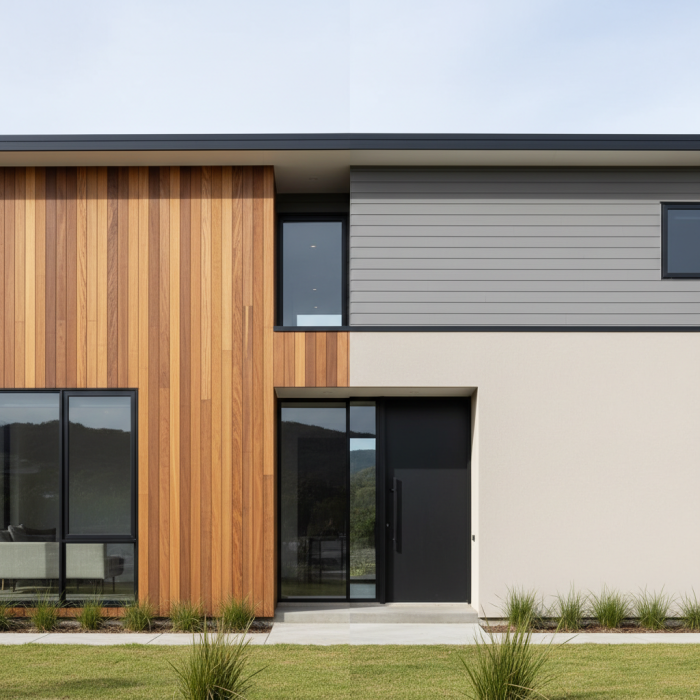
ROI, in the context of cladding materials, is calculated by comparing the initial investment with the long-term benefits and savings generated over a specific period, usually 10 years. This calculation takes into account factors such as maintenance costs, durability, and energy efficiency to determine the overall return on the investment made in the cladding material.
In a hypothetical scenario, let’s compare the ROI of composite and timber cladding over 10 years.
Composite cladding
Initial cost £10,000, maintenance cost over 10 years £2,000, total cost £12,000.
Timber cladding
Initial cost £8,000, maintenance cost over 10 years £5,000, total cost £13,000.Based on this scenario, the ROI for composite cladding would be calculated as:
ROI = (Total savings
Total cost) / Total cost x 100
ROI = (£13,000
£12,000) / £12,000 x 100 = 8.33%
And for timber cladding:
ROI = (Total savings
Total cost) / Total cost x 100
ROI = (£13,000
£13,000) / £13,000 x 100 = 0%
Therefore, in this scenario, composite cladding provides a higher ROI of 8.33% compared to timber cladding, which has a ROI of 0%.
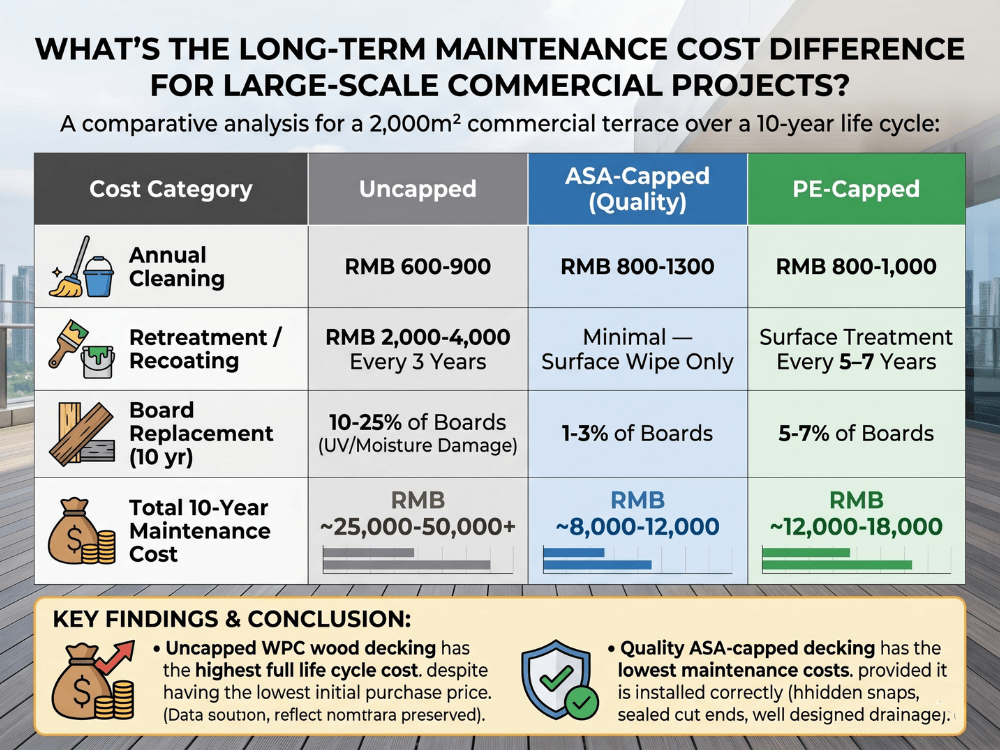
When considering the total cost of ownership for cladding materials, it is essential to look beyond the initial purchase price and take into account all expenses associated with maintenance, repairs, and replacements over the lifespan of the cladding.
What are the typical maintenance requirements for composite cladding over 10 years?
Maintenance for composite cladding usually involves periodic cleaning and inspection to ensure longevity.
How is Return on Investment (ROI) calculated for cladding materials?
ROI is calculated by comparing the initial cost of installation with the long-term savings or benefits derived from the material.
What hidden costs should I consider for timber cladding total cost of ownership?
Hidden costs for timber cladding may include treatments, repairs, and potential replacements over time.